

02 — Mining Regions
Colombia's legendary emerald triangle
The Boyacá and Cundinamarca departments contain the world's most productive emerald deposits. These regions produce 70-90% of global emerald supply, renowned for unmatched color and clarity.
CHRACTERISITCS
The world's most celebrated emerald mine produces stones with the classic 'Muzo green'—a warm, vivid bluish-green with exceptional saturation
GEOLOGY
Hydrothermal deposits in sedimentary black shale
HISTORY
Active since pre-Columbian times, Muzo has produced some of history's most famous emeralds
Muzo
BOYACA DEPARTMENT
01
Chivor
BOYACA DEPARTMENT
02
CHRACTERISITCS
Known for emeralds with slightly cooler, bluish-green hues and exceptional clarity
GEOLOGY
Sedimentary deposits enriched with chromium and vanadium
HISTORY
Operated by indigenous peoples before Spanish colonization in the 1530s
Coscuez
BOYACA DEPARTMENT
03
CHRACTERISITCS
Produces emeralds similar to Muzo with intense color saturation and distinctive inclusions
GEOLOGY
Shale and limestone formations with hydrothermal mineralization
HISTORY
Discovered in the 1960s, now one of Colombia's major producing mines
Colombia's Emerald Mining Landscape
GEOGRAPHIC CONTEXT
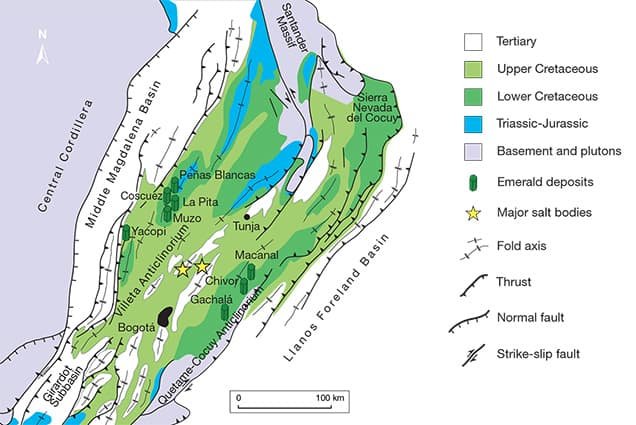
Colombian emerald deposits are concentrated in the Boyacá and Cundinamarca departments of the Eastern Cordillera mountain range, approximately 100–150 kilometers north of Bogotá. This geographic concentration results from specific sedimentary formation conditions dating to the Lower Cretaceous period.
Unlike emerald deposits in other countries—which typically form in metamorphic or igneous environments—Colombian emeralds crystallized in sedimentary black shale formations. This unique geological pathway produces emeralds with distinctive color profiles and inclusion patterns.
Three primary mining districts dominate Colombian production: Muzo, Chivor, and Coscuez. Together, these regions supply the majority of fine emeralds entering global markets, establishing Colombia as the definitive source for emerald quality standards.
GLOBAL SIGNIFICANCE
Colombian mines produce approximately 70–80% of global emerald supply by volume and dominate the fine emerald market by value, with regional origin serving as a primary factor in price determination.

The Colombian Emerald Triangle
The three primary mining regions—Muzo, Chivor, and Coscuez—form what industry professionals reference as the "Colombian Emerald Triangle." This designation reflects both geographic proximity and collective market dominance.
These districts share fundamental geological characteristics: formation in Lower Cretaceous black shale, hydrothermal fluid activity, and tectonic processes that concentrated beryllium and chromium in emerald-forming environments. However, subtle variations in regional geology produce distinct color tendencies and crystal morphologies.
Regional Environmental Conditions
Emerald formation required specific environmental parameters over geological time:
Sedimentary black shale host rock rich in organic material
Hydrothermal fluids carrying beryllium from underlying geological sources
Chromium and vanadium present in shale formations
Tectonic activity creating fractures for mineralization
Specific pressure and temperature regimes
Muzo
WESTERN BOYACA
PRIMARY MINING DISTRICTS
Geographic Location
Muzo district is located in the western belt of the Boyacá department, approximately 100 kilometers north of Bogotá in the Minero River valley. The mining zone encompasses an area of approximately 20 square kilometers at elevations between 800–1,200 meters.
Regional Geological Context
Muzo deposits formed in Lower Cretaceous sedimentary sequences characterized by black shale with high organic content. The regional geology includes:
Sedimentary host rock dating to approximately 65–70 million years ago
Hydrothermal alteration zones indicating fluid migration pathways
Tectonic fractures that concentrated emerald-forming solutions
High chromium content in local shale formations
Typical Color Tendencies
Muzo emeralds exhibit a characteristic warm green tone, often with subtle yellow secondary hues. The region's high chromium concentration produces deeply saturated primary green with exceptional intensity—the color profile historically referenced as "Muzo green" and considered the ideal emerald color by many collectors.
Color Profile
Primary hue: Pure to slightly yellowish green
Saturation: Very high to exceptional
Tone: Medium to medium-dark
Secondary characteristics: Warm undertones
Production Reputation & Historical Importance
Muzo has operated continuously as Colombia's most prestigious mining district since the Spanish colonial period began extracting emeralds in the 16th century. Pre-Columbian indigenous populations mined the region prior to European contact, establishing Muzo's multi-century production history.
Market Positioning
Muzo origin commands a significant premium in international markets. When properly documented through laboratory certification, Muzo provenance typically adds 15–30% to emerald values compared to stones of similar quality from other Colombian regions. Investment-grade collectors specifically seek documented Muzo stones due to historical prestige and characteristic color profile.
The "Muzo green" standard—deeply saturated, slightly warm emerald green—serves as a quality benchmark against which other emeralds are evaluated. This market positioning reflects centuries of production reputation and consistent delivery of exceptional material.
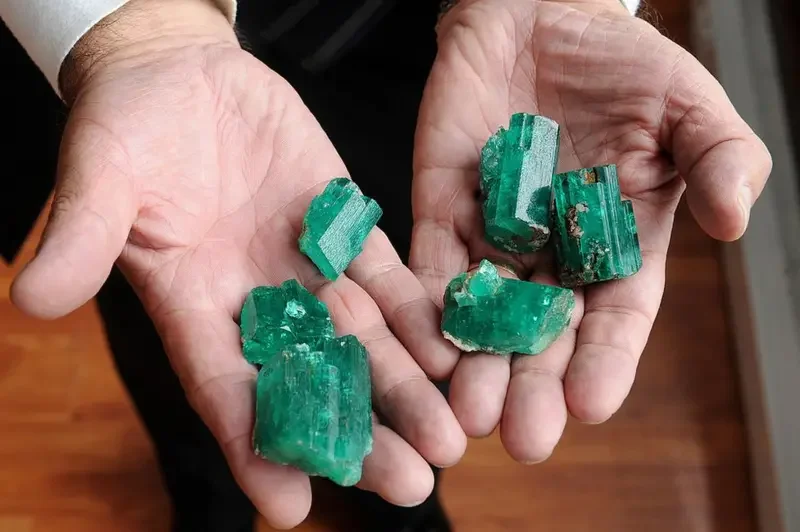

Chivor
EASTERN BOYACA
EASTERN MINING DISTRICT
Geographic Location
Chivor mining district occupies the eastern belt of emerald production in Boyacá department, approximately 130 kilometers northeast of Bogotá in the municipalities of Chivor and Macanal. The region's mountainous terrain ranges from 1,800–2,400 meters elevation
Regional Geological Context
Chivor emeralds formed in similar sedimentary environments to Muzo but with distinct trace element profiles that influence color characteristics:
Lower Cretaceous black shale formations
Relatively higher vanadium-to-chromium ratios
Regional geology produces typically higher clarity grades
Calcite veining associated with emerald occurrence
Typical Color Tendencies
Chivor emeralds characteristically display cooler green tones compared to Muzo material, often with subtle blue secondary hues rather than yellow. The color tends toward pure green to slightly bluish green, with exceptional transparency being a hallmark of fine Chivor production.
Color Profile
Primary hue: Pure to slightly bluish green
Saturation: High (often lighter than Muzo)
Tone: Medium to medium-light
Secondary characteristics: Cool undertones, high clarity
Historical & Commercial Relevance
Chivor mines operated during pre-Columbian and early colonial periods before being abandoned in the 17th century. Rediscovery in 1896 and subsequent 20th-century development reestablished Chivor as a significant commercial source, particularly for high-clarity material suitable for fine jewellery
Market Positioning
Chivor emeralds appeal to collectors and jewellers preferring cooler color tones and higher transparency. While Muzo commands a historical premium based on traditional market preferences, Chivor material competes effectively in segments valuing exceptional clarity over maximum saturation.
Fine Chivor emeralds—particularly eye-clean material with strong color—achieve premium pricing in contemporary markets. The region's production includes a higher percentage of jewellery-suitable material compared to Muzo's more variable clarity distribution.

Coscuez
WESTERN BOYSACA
HIGH VOLUME PRODUCTION DISTRICT
Geographic Location
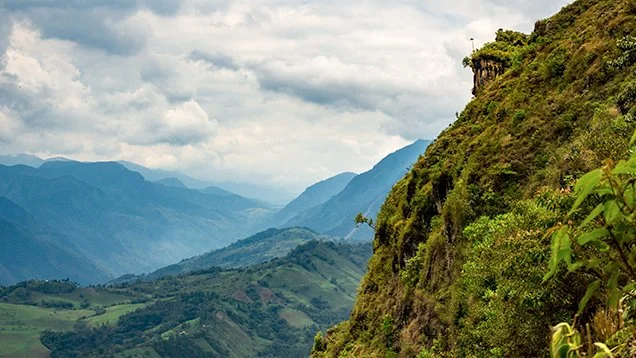
Coscuez mining district is located in western Boyacá, geographically proximate to Muzo (approximately 20 kilometers northeast). The region encompasses a larger mining area and operates multiple extraction sites at varying scales..
Regional Geological Context
Coscuez shares fundamental geological characteristics with Muzo—Lower Cretaceous black shale formations with hydrothermal emerald mineralization. However, the district's larger geographic extent encompasses greater geological variability:
Similar sedimentary formation environment to Muzo
Variable trace element concentrations across the district
Broader range of inclusion types and clarity grades
More extensive vein systems supporting larger-scale extraction
Production Scale & Role in Trade
Coscuez represents Colombia's largest emerald producing region by volume. Modern mining operations extract significant quantities across a wide quality spectrum, from standard trade material to exceptional collector-grade stones. This volume production makes Coscuez the primary source for jewellery-trade inventory globally.
Quality Distribution
Standard trade grade: High volume
Mid-tier jewellery quality: Consistent supply
Fine to exceptional material: Regular but limited production
Typical Quality Range
Color characteristics in Coscuez material range broadly, typically falling between Muzo's warm tones and Chivor's cool profiles. The district produces emeralds across the complete commercial spectrum:.
Market Positioning
Coscuez emeralds serve the professional jewellery trade as reliable inventory sources across multiple price points. While the region lacks the historical premium associated with Muzo or the clarity reputation of Chivor, well-selected Coscuez material offers excellent commercial value.
The district's high-volume production and quality diversity make it particularly suitable for jewellers requiring consistent supply for production jewellery lines. Fine examples from Coscuez compete effectively with material from other regions when evaluated purely on visual characteristics rather than origin prestige.


Regional Color Tendencies
While individual emeralds vary significantly, regional mining districts exhibit characteristic color tendencies that result from subtle differences in trace element chemistry and geological formation conditions.
Muzo Profile
Primary Hue: Slightly yellowish green to pure green
Saturation: Very high to exceptional
Tone: Medium to medium-dark
Temperature: Warm
The classic "Muzo green" represents the historical standard for emerald color evaluation worldwide.
Chivor Profile
Primary Hue: Pure green to slightly bluish green
Saturation: High (typically lighter than Muzo)
Tone: Medium to medium-light
Temperature: Cool
Chivor material often exhibits exceptional transparency, making it ideal for fine jewellery requiring maximum clarity.
Coscuez Profile
Primary Hue: Variable, between Muzo and Chivor characteristics
Saturation: Medium to high
Tone: Light to medium-dark
Temperature: Neutral to slightly warm
Broad quality distribution provides material suitable for multiple market segments and price points.
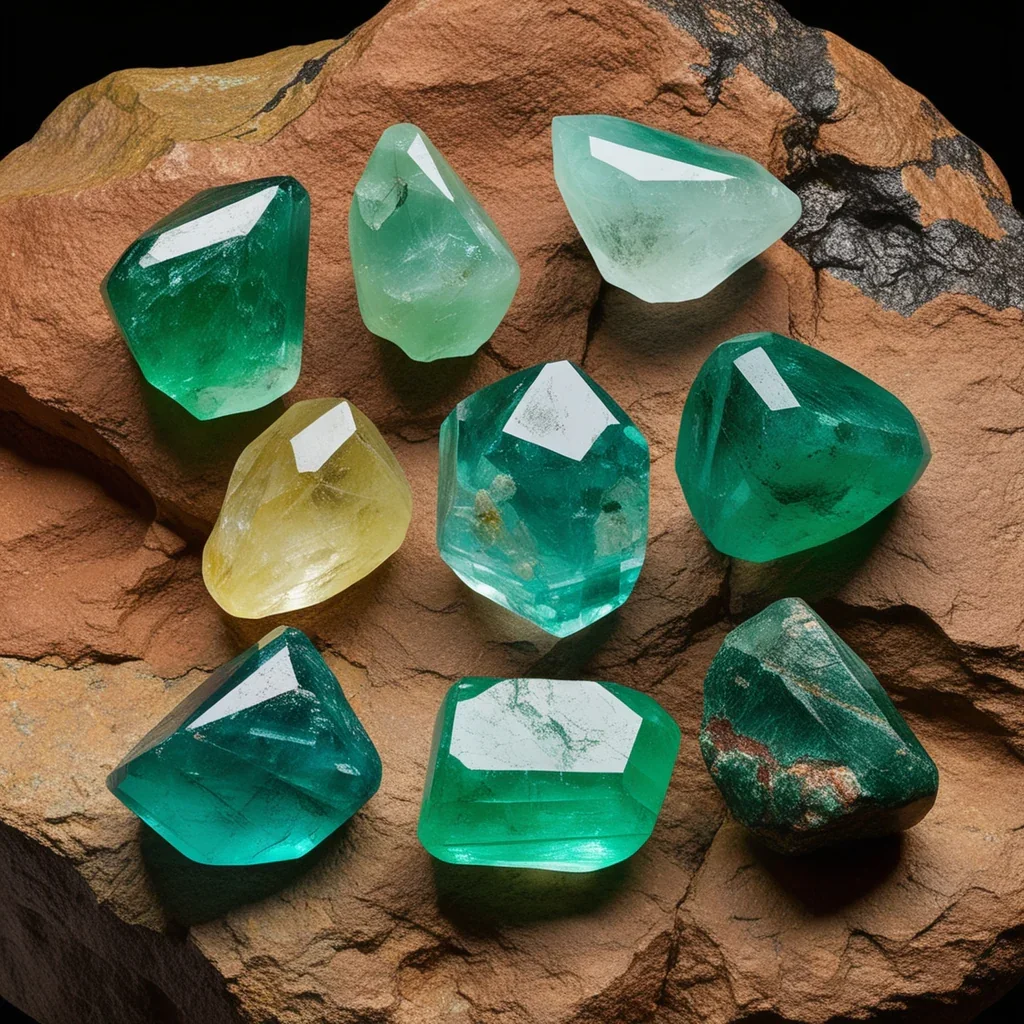
Important Note: Color tendencies represent statistical patterns across regional production. Individual emeralds from any district may exhibit characteristics outside typical parameters. Visual assessment alone cannot reliably determine mining origin—laboratory analysis of inclusion suites and trace element chemistry is required for definitive regional attribution.
Production Scale & Regional Roles
PRODUCTION ANALYSIS
Volume Production Differences
Coscuez dominates Colombian production by volume, accounting for an estimated 60–70% of total emerald extraction. The district's larger geographic extent and multiple large-scale operations produce consistent high-volume output serving global trade demand.
Muzo and Chivor contribute smaller volumes but maintain higher average quality levels. These districts produce proportionally more fine and exceptional material, though their total output by weight remains below Coscuez levels.
Global Market Contributions
Each Colombian mining region serves distinct market segments based on production characteristics and regional reputation:
Muzo: Premium collector market, investment-grade material, high-value jewellery requiring documented provenance
Chivor: Fine jewellery requiring high clarity, contemporary designer pieces, collectors preferring cooler tones
Coscuez: Production jewellery, trade inventory, mass-market to mid-tier retail
Trade-Grade vs High-End Material by Region
Trade-Grade Distribution:
Coscuez supplies the majority of commercial-quality emeralds entering international jewellery manufacturing. Standard clarity grades (included but acceptable for jewellery use) dominate production, providing consistent inventory for retail supply chains.
Investment-Grade Material:
Muzo and Chivor produce proportionally more fine material suitable for collector acquisition and investment positioning. Eye-clean to very slightly included stones with strong color appear more frequently in these districts' output.
Historical Significance of Colombian Mining Regions
CULTURAL & HISTORICAL CONTEXT
Pre-Columbian Emerald Use
Archaeological evidence confirms emerald mining and use by indigenous Muisca and related cultures for centuries prior to Spanish contact. Emeralds held ceremonial and trade significance, with mining regions operating under indigenous control using traditional extraction methods.
The Muisca people developed sophisticated understanding of emerald occurrence and established trade networks distributing Colombian emeralds throughout pre-Columbian South America. Spanish chronicles document extensive indigenous emerald working and trade at the time of conquest.
Spanish Colonial Period
Spanish colonization in the 16th century transformed Colombian emerald mining into large-scale commercial operations supplying European markets. Colonial authorities rapidly identified Muzo as the premier source, establishing controlled extraction systems.
Emeralds from Colombian sources—particularly Muzo—became prized in European royal collections, establishing Colombia's reputation as the definitive emerald source. This colonial-period market positioning continues to influence contemporary pricing premiums for documented Colombian origin.
Chivor also operated under Spanish control until the 17th century, when production difficulties led to abandonment. The district's rediscovery in 1896 and subsequent 20th-century development restored Chivor to commercial significance.
Long-Term Impact on Colombia's Emerald Authority
Continuous production spanning pre-Columbian, colonial, and modern periods establishes Colombian mining regions as historically unmatched emerald sources. This multi-century tradition created market recognition that persists regardless of competition from other producing countries.
Regional mining continuity—particularly at Muzo—provides unique long-term production data and quality standards. The accumulated knowledge of regional characteristics, extraction techniques, and stone evaluation developed over centuries positions Colombia as the emerald industry's center of expertise.
Regional Tradition Continuity
Each major mining district maintains distinct cultural and operational traditions developed over generations of continuous extraction. Family-operated mines, regional expertise in identifying productive zones, and accumulated geological knowledge create barriers to entry that sustain Colombia's market dominance despite emerald production in other countries.
Why Mining Region Matters
Practical Buyer Considerations
Understanding regional characteristics helps buyers and collectors make informed acquisition decisions based on personal preferences for color temperature, clarity expectations, and budget parameters.
Market Perception & Value
Regional origin directly influences market pricing, particularly for investment-grade material. Documented Muzo provenance commands premiums based on historical prestige and color reputation, while Chivor and Coscuez material positions differently in collector and trade segments.
Tradition & Historical Continuity
Collectors value emeralds from historically significant sources. Muzo's centuries of continuous production and association with the finest historical specimens create intangible value beyond pure visual characteristics.
Regional Reputation in Trade
Professional buyers reference regional characteristics as shorthand for expected quality ranges. Understanding that Muzo typically produces warmer, more saturated material while Chivor offers cooler, more transparent stones aids efficient communication and sourcing decisions.
Important Context: While regional origin provides useful context for understanding Colombian emerald characteristics, individual stone evaluation based on observed color, clarity, cut, and carat weight remains primary. Regional reputation influences pricing and collector interest but should not override direct quality assessment.
Colombian Gems: Research-Driven Expertise
Our direct relationships with Colombian mining families across all major districts provide unmatched access to regional production and decades of accumulated knowledge regarding mine-specific characteristics.