

The Complete Colombian Emerald Pricing Guide
By Colombian Gems · Verified Source for Authentic Colombian Emeralds
What Makes Colombian Emeralds Unique
Colombian emeralds are recognized worldwide as the finest in quality, color, and geological purity.
Unlike emeralds from Zambia or Brazil, Colombian stones form through hydrothermal processes, producing crystals with exceptional transparency, saturation, and the unmistakable “Muzo green” hue that defines the world standard of excellence.
Every authentic Colombian emerald carries a unique geological signature the result of chromium and vanadium enrichment in ancient sedimentary rocks. The balance of these elements gives rise to a vivid green unmatched anywhere else.
At Colombian Gems, each stone originates from the country’s most prestigious mining zones Muzo, Coscuez, and Chivor.
The Key Factors That Determine Emerald Value
Emerald pricing follows a structured evaluation framework recognized by gemological institutions worldwide.
The six primary factors are color, clarity, cut, carat weight, origin, and treatment.
Clarity or transparency
Emerald clarity is uniquely defined by its natural inclusions, affectionately known as the "jardín" (Spanish for "garden"). Unlike diamonds, finding an eye-clean emerald is exceptionally rare; these internal textures are normal and serve as beautiful proof of the stone's natural, geological origin and authenticity.
Clarity grades (AAA, AA, A, B, C).
-
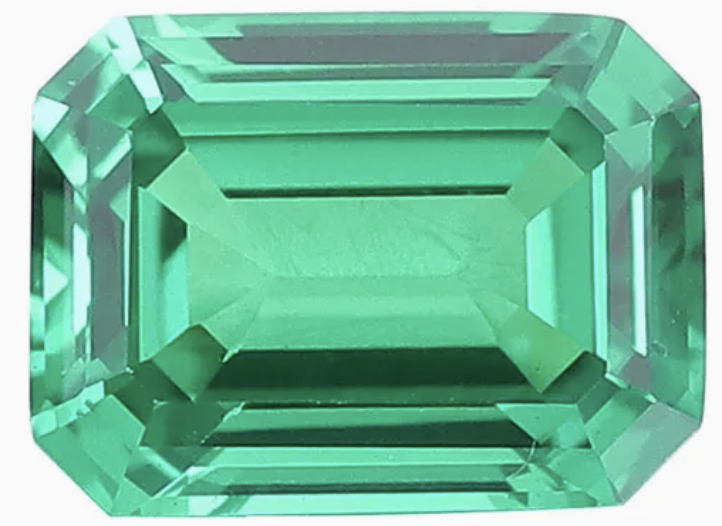
Clarity AAA
Investment Quality
Description: Eye-clean. Inclusions only visible under 10× magnification.
Transparency Level: Exceptional Transparency
-
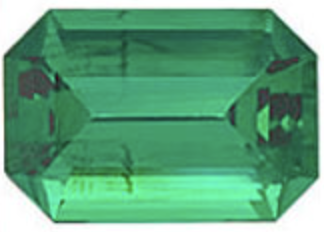
Clarity AA
High Commercial
Description: Minor inclusions visible under magnification, not visible to the naked eye.
Transparency Level: High Transparency
-
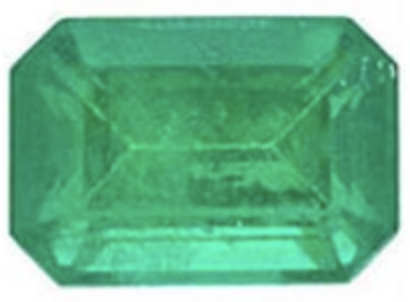
Clarity A
Commercial Grade
Description: Inclusions visible to the eye but not compromising overall transparency.
Transparency Level: Good Transparency
-
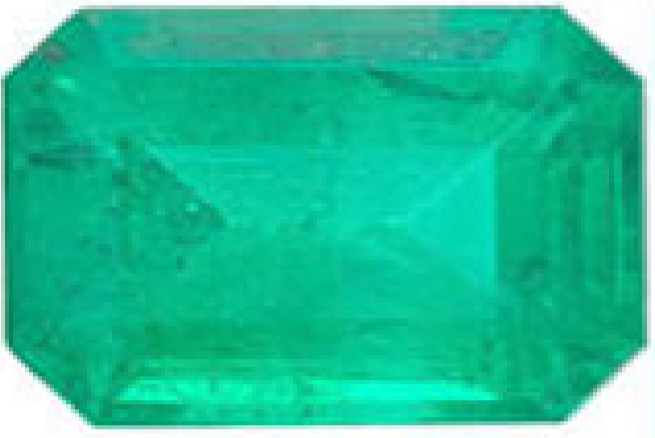
Clarity B
Low Commercial
Description: Noticeable inclusions reducing overall brilliance.
Transparency Level: Moderate Transparency
-
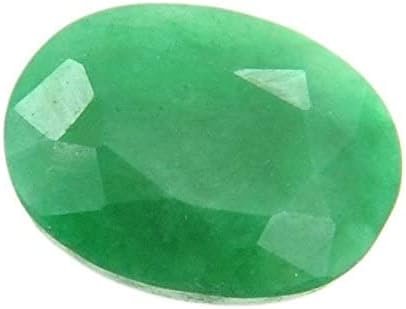
Clarity C
Entry Level
Description: Opaque, heavily included, very low transparency.
Transparency Level: Low Transparency
Color — The Decisive Factor (Matiz, Tone, and Saturation)
Color is the single most decisive factor in emerald valuation. Gemologists assess color by three core attributes
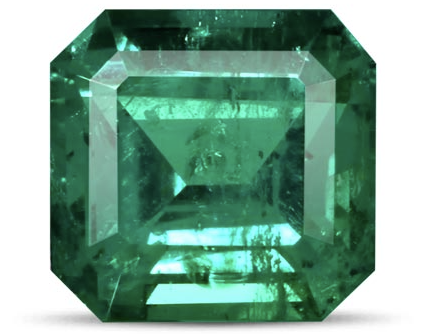
Matiz (Hue)
Definition: The dominant green tone and secondary undertones (bluish, yellowish).
Optimal Range: Pure Green or slightly Bluish-Green highest value.
Influence on Value: Pure or bluish-green hues are premium. Yellowish or grayish secondary colours reduce price.
-
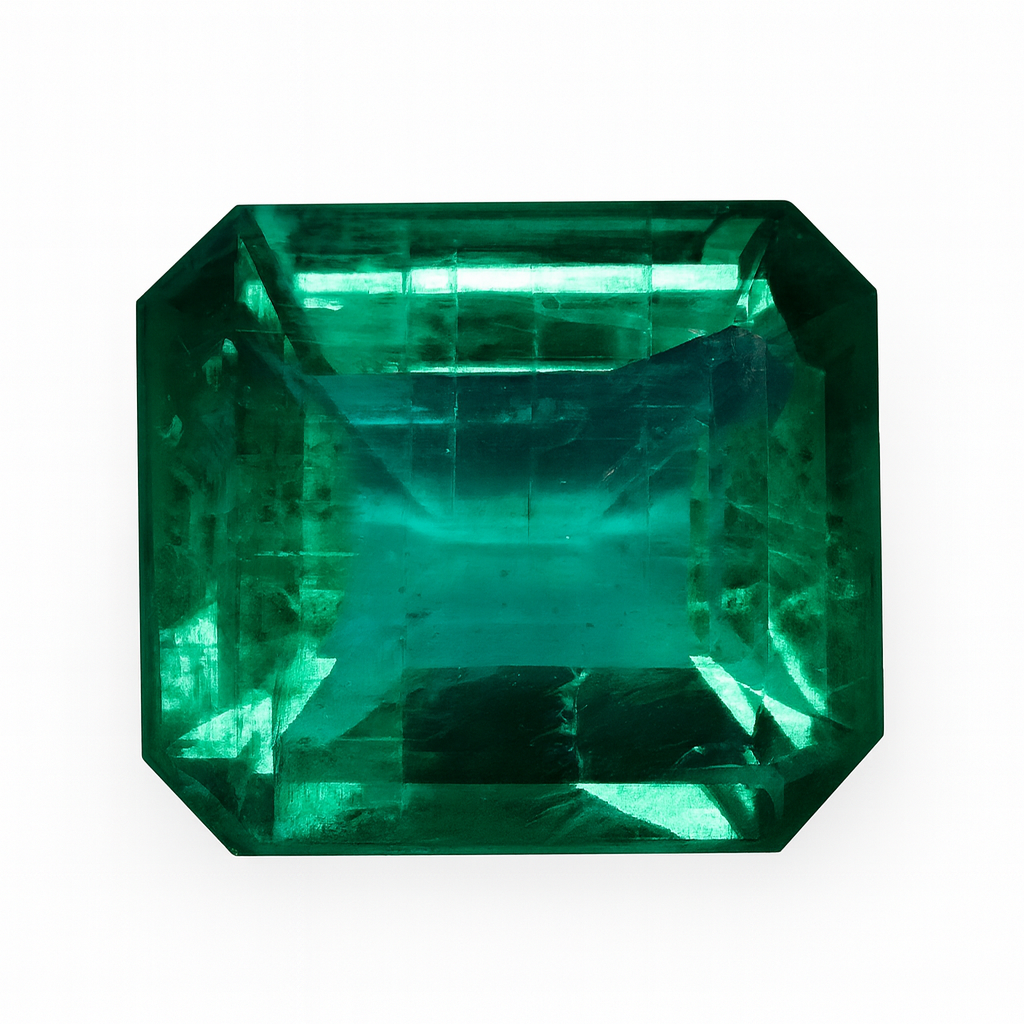
Intense Bluish Green
-
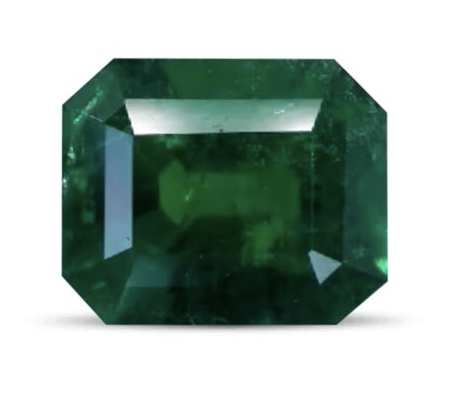
Strong Bluish Green
-
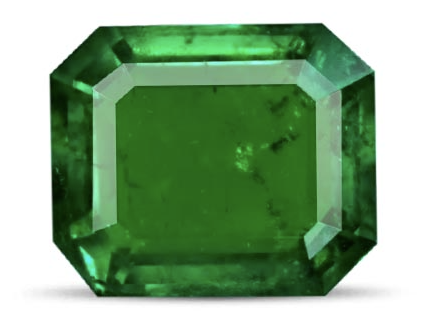
Strong Yellow Green
-
Bluish Green
-
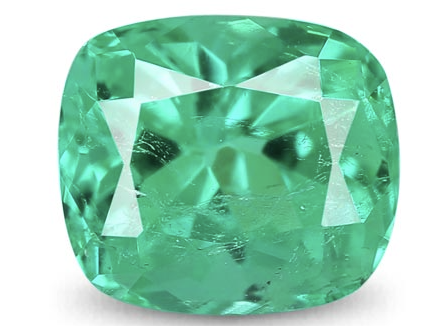
Light Bluish Green
-
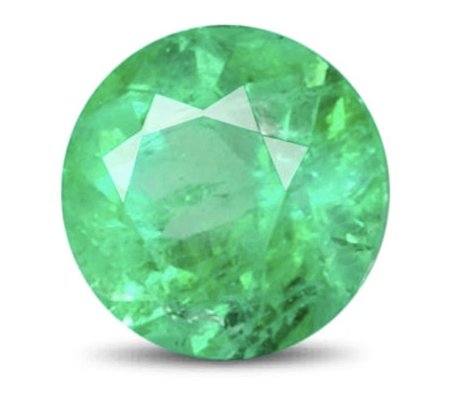
Light Yellow Green
Tone
Definition: The lightness or darkness of the color
Optimal Range: Optimal Medium Tone (Scale 3–5)
Influence on Value: Very light (pale) or overly dark (extinction) tones reduce brilliance and value.
-
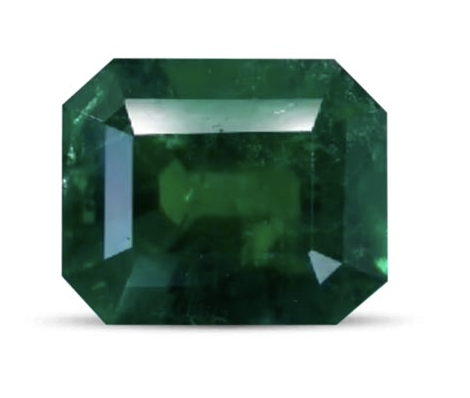
Tone 5
-
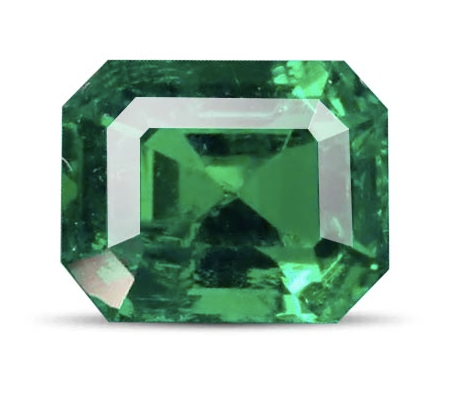
Tone 4
-
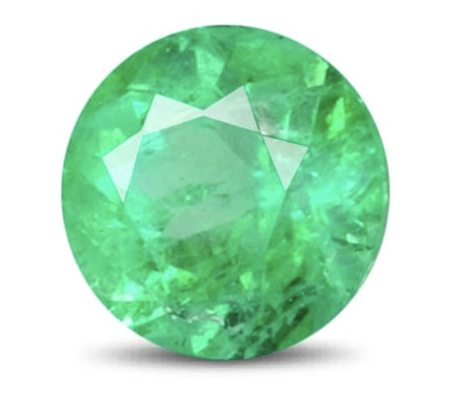
Tone 3
-
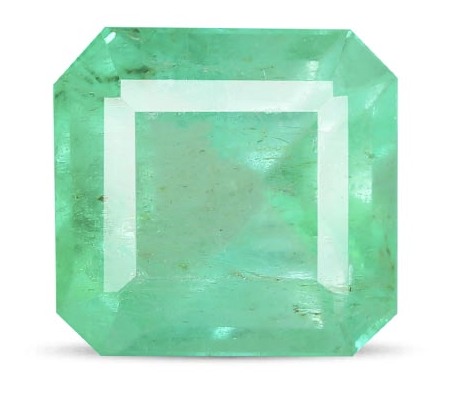
Tone 2
-
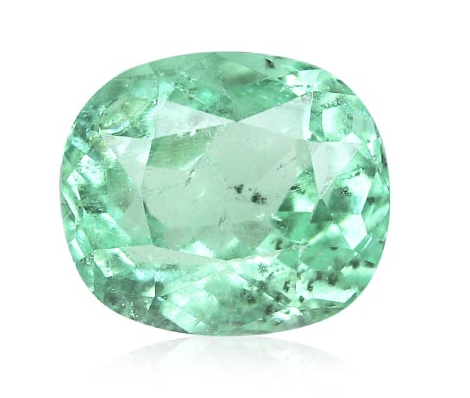
Tone 1
Saturation
Definition: The intensity, vividness, or purity of the color (brightness).
Optimal Range: Vivid (Scale 3–5)
Influence on Value: Premium Price: Strong, vivid saturation. Dull or milky color receives a commercial-grade price
-
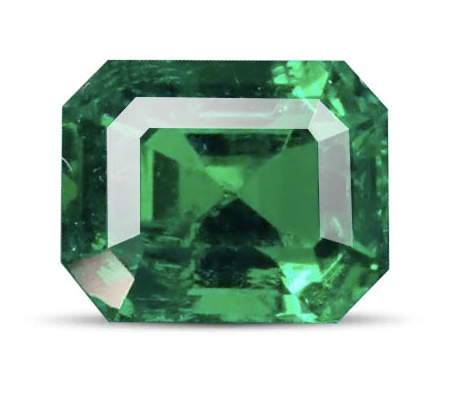
Saturation Level 5
-
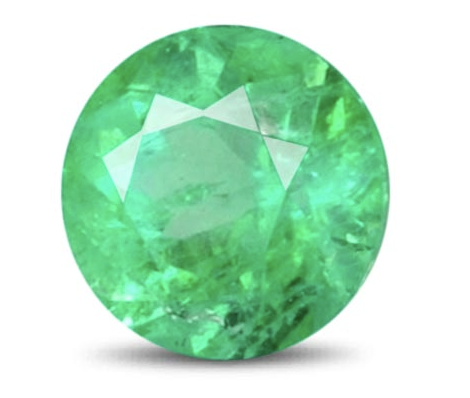
Saturation Level 4
-
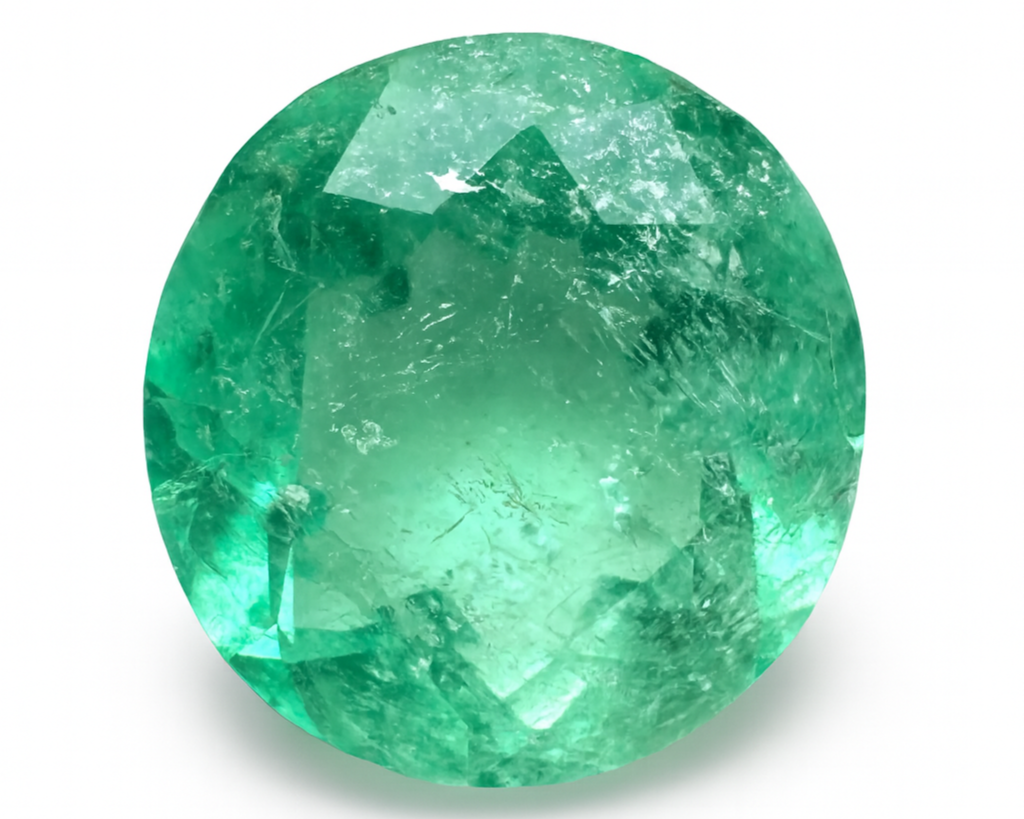
Satuation Level 3
-
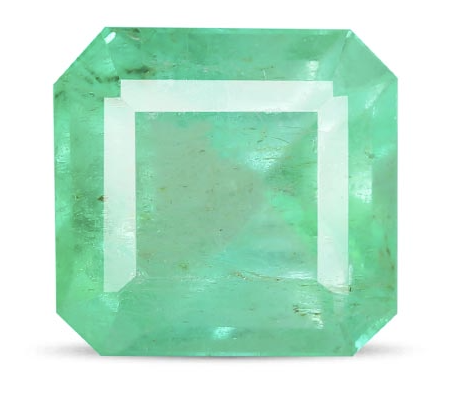
Saturation Level 2
-
Saturation Level 1
Carat Weight - Size and Rarity
Emeralds increase in value exponentially, not linearly, with weight. This rapid escalation is driven by the extreme rarity of finding high-quality material in larger sizes.
The per-carat price jump is most pronounced when exceptional quality is maintained
1 CT = 0,2 gr
1 gr = 5 CT
-
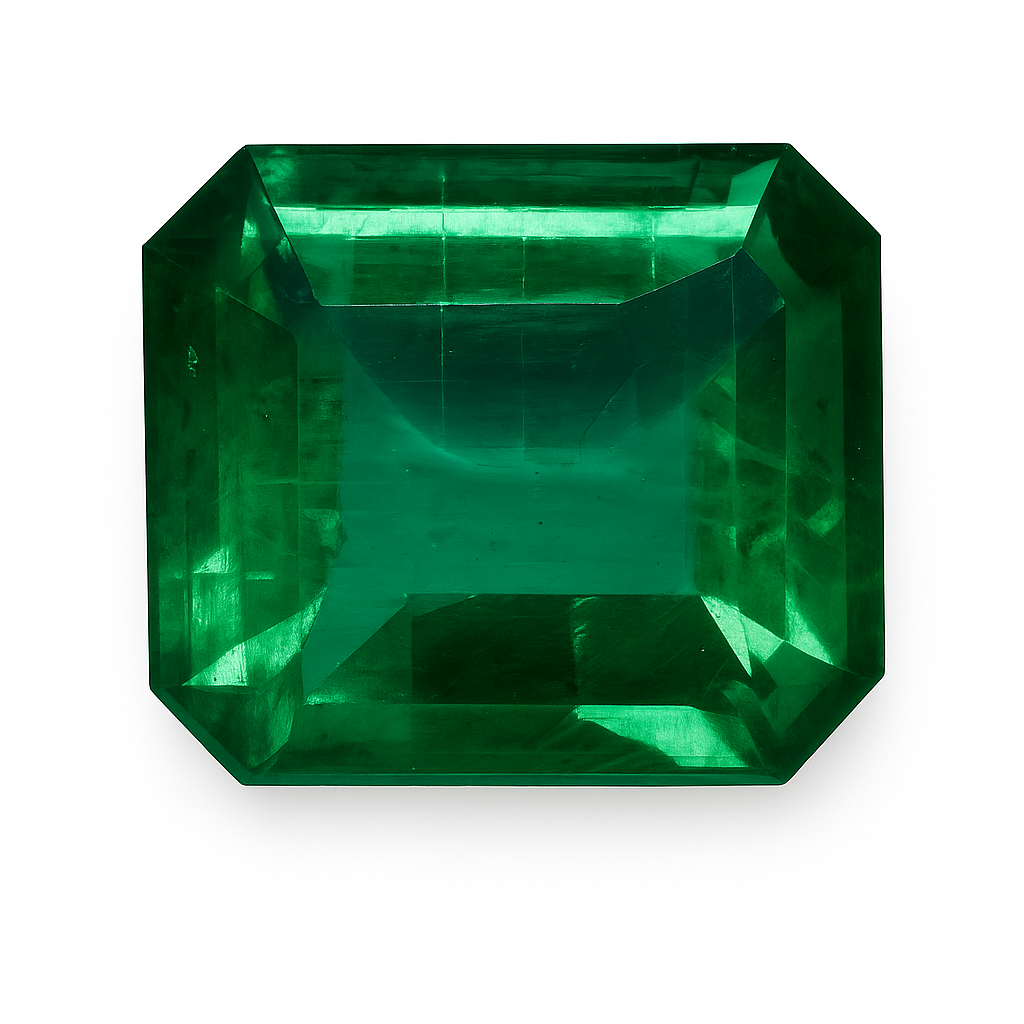
>7 Carats
Rarity Level: Exceptional Rarity
Typical Use & Value Impact: Museum or investment category. Per-carat value is at its highest.
-
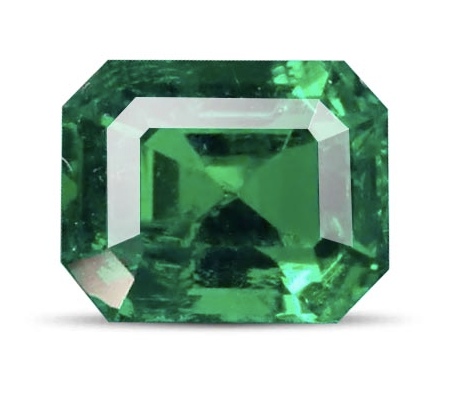
4-6 Carats
Rarity Level: Collector Grade
Typical Use & Value Impact: Collector and high-investment range. Significant price jump.
-
1-4 Carats
Rarity Level: Standard Fine
Typical Use & Value Impact: Standard fine jewelry range. Baseline for high commercial valuation.
-
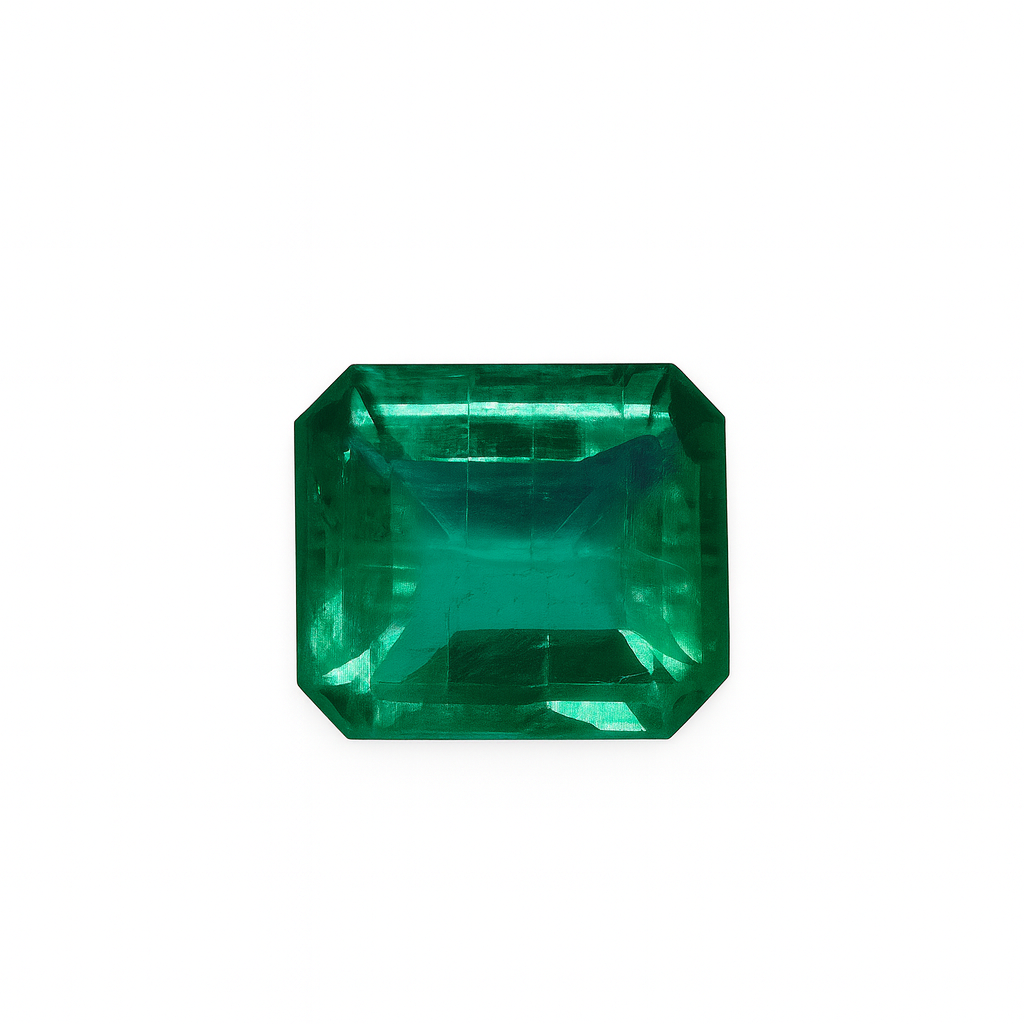
< 1 Carats
Rarity Level: Common
Typical Use & Value Impact: Small stones, suitable for calibrated jewelry. Lowest per-carat price.
Treatment Level — Transparency vs. Enhancement
Almost all natural emeralds receive minor oiling to fill microscopic fissures. However, treatment intensity directly affects value and must be disclosed.
Gemological laboratories use terms like None, Insignificant, Minor, Moderate, and Significant to define the degree of clarity enhancement. Stones categorized as Insignificant are the rarest after Untreated, as they show virtually no evidence of enhancement.
-
Natural (Untreated)
No oil/resin detected.
Highest Rarity & Price Premium
-

Insignificant
Traces of oil so minute that a definitive judgment cannot be made, or only detected at the micro-level.
Commands a premium close to "Untreated" due to minimal enhancement.
-

Minor Oil
Small traces of cedarwood oil in fissures, visible only under magnification.
Standard, widely accepted, no value reduction compared to the baseline.
-
Moderate Oil
Visible under 10× magnification, slightly improving clarity.
–10% to –20% value adjustment compared to Minor/Insignificant.
-

Resin
Synthetic filling (polymers) used to stabilize cracks.
–30% to –50% value reduction. Not accepted by Colombian Gems.
Pricing Overview — How Emerald Value Is Determined
Emerald price is influenced by the combined effect of color, clarity, carat weight, and treatment not by any single factor alone.
To understand Colombian emerald value and how emeralds are priced, it’s important to see how these elements interact to define overall quality.
The stronger the color, the cleaner the clarity, the larger the carat weight, and the lower the treatment, the higher the gemstone sits on the pricing scale.